What Kind of Meat to Feed Box Turtles
There are plenty of reasons why adding a turtle to your household might be a good idea. Still, certain types of turtles are far better suited for life around human beings. It's important that when you're selecting what type of turtle to get, you choose wisely.
If you're considering a box turtle, you should do some research before you say yes to this shelled reptile. After looking into this animal more, you might find a box turtle is exactly what you're looking for–or maybe not. Whatever the case may be, a little research before you commit will help you feel confident about your decision.
Today, we're going to discuss one type of turtle: the box turtle. First, we're going to run through a bit of background information on these reptiles, then dive deeper into the box turtle specifically. After that, we'll discuss if the box turtle makes a good pet. Finally, we'll name some other types of turtles you might be interested in.
All About Turtles
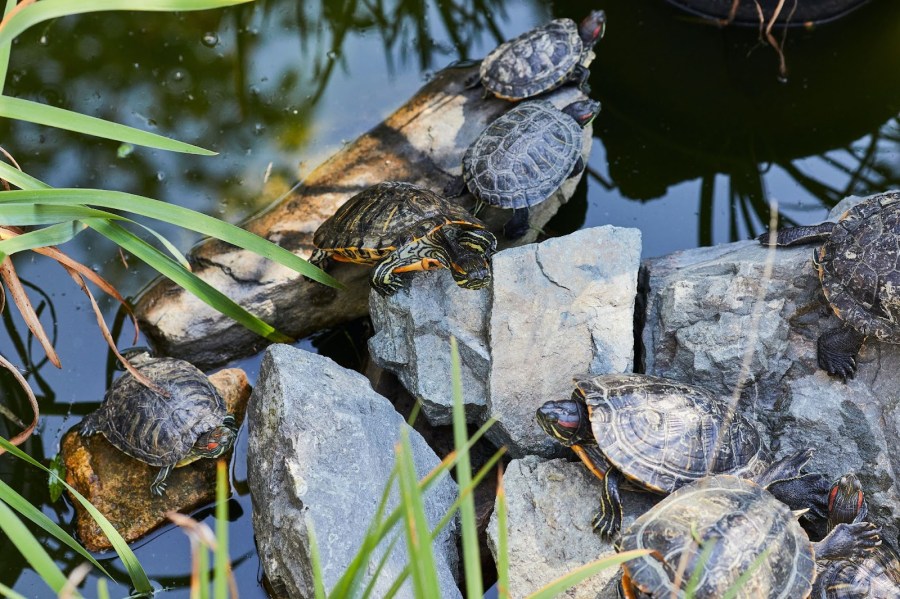
Image Attribution: Tengyart
Equipped with hard shells that protect them from potential predators, turtles are one of the most primitive groups of reptiles that exist. They evolved millions of years ago and live across the globe in nearly every climate.
Perhaps you've heard the words "tortoise" and "turtle" used interchangeably, but they're not synonyms. Turtles are split into two suborders: Cryptodira and Pleurodira. From this, turtles are split into 13 families, then 75 genera and over 300 different species. There are actually distinct differences between "tortoises," "turtles," and even "terrapins." Let's dive into those now.
Turtles usually spend a majority of their lives in the water. They've adapted for aquatic life, which accounts for their webbed feet or flippers. They also have a streamlined body. One type of turtle, the sea turtle, rarely leaves the ocean–except to lay eggs on a sandy beach. There are also freshwater turtles that live in ponds and lakes. These climb out of the water and bask in the sun on logs or rocks.
In contrast, tortoises are adapted to live on land. They have round, stumpy feet–perfect for walking. They are known for digging burrows with their strong forelimbs and even hiding underground if it gets too hot outside. Finally, terrapins live on land and in the water. Typically this means you can find them in swamps, lakes, ponds, or rivers.
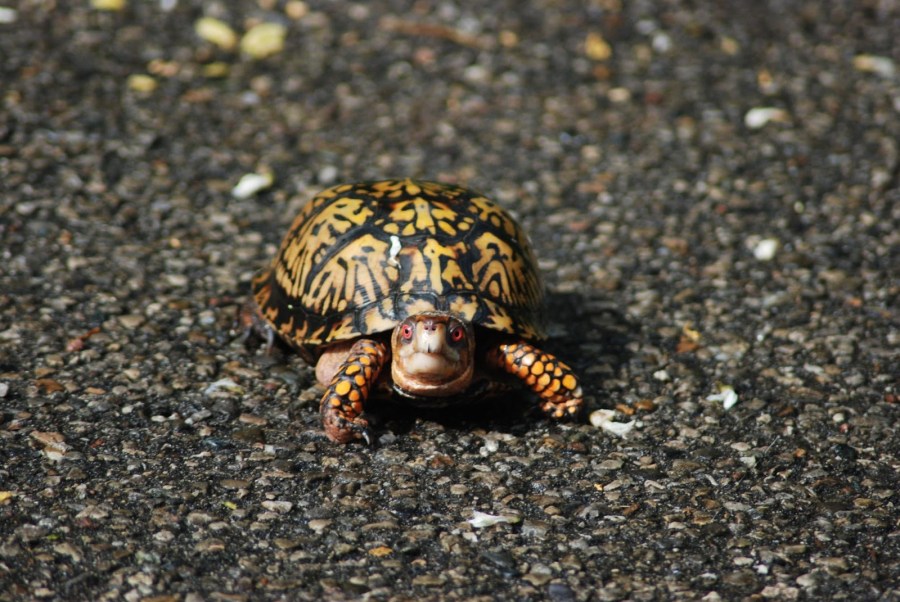
Image Attribution: Roger Starnes Jr.
The first thing that you should know about the box turtle is that there are different species. That's right: not all box turtles are the same. You should take this into account before you bring your turtle home because the different types will require slightly different care.
The variations of North American box turtles that are commonly pets include:
- The Eastern Box Turtle
- The Gulf Coast Box Turtle
- The Three-Toed Box Turtle
- The Ornate Box Turtle
There are other species of North American Box Turtles, but they're less frequently found as pets. In addition to this, there are also Asian Box Turtles. These species often require higher temperatures and humidity than their North American friends do. Some of these turtles will even require more water–enough to take a swim.
If you're considering keeping a box turtle as a pet, it is essential that you get it from an ethical, fair pet seller. You should never keep a box turtle that you've found in the wild as a pet–no matter how adorable they might be. Let them run (or crawl) free where they belong.
Is a Box Turtle a Good Pet?
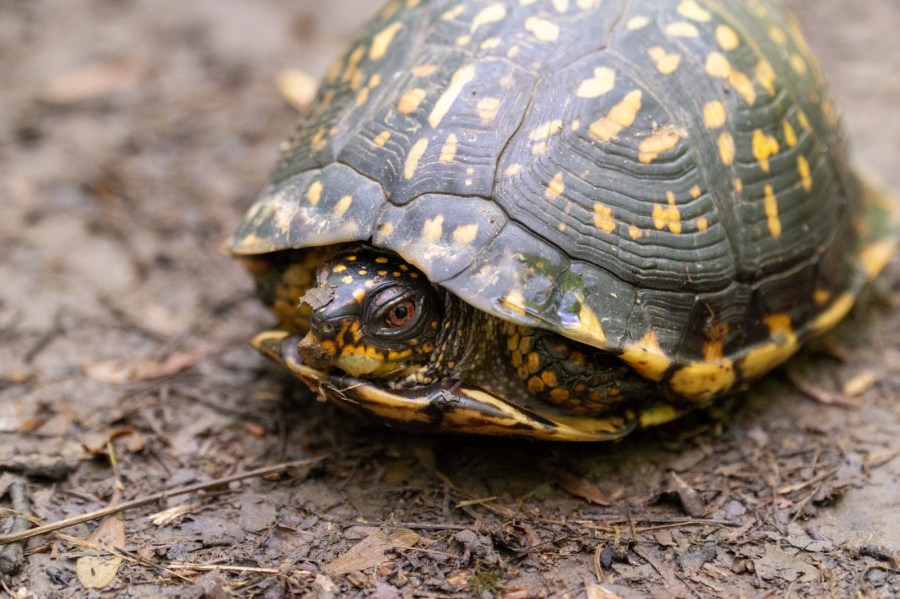
Image Attribution: Alex He
The answer to the question "Is a box turtle a good pet?" is a multi-faceted one. While box turtles can–and do–make wonderful pets, they can also be extremely challenging and aren't for everyone. There are certain people who would be better suited to a different type of pet. If you're a first-time pet owner or have young children, this won't make a suitable pet. But don't worry; there are plenty of other pets out there that will suit you better.
Families with young children and first-time pet owners would be better off passing on the box turtle because they have complex care requirements. In addition to this, they're susceptible to stress, which can greatly impact a turtle's health.
Also, box turtles are a long-term commitment. If you take care of yours properly, you can expect to spend several decades with your pet. Their desired environment also lands them on the tricky pet list; it can take a while to get it right.
While younger box turtles can adjust to an indoor terrarium, the older your turtle gets, the more they're going to yearn for the outdoors. Of course, there are resources involved in making that happen. Unless you have these available to you, you should seriously reconsider your plan to get a box turtle. Once again, there are other turtles that will be better suited to indoors-only spaces.
Generally speaking, box turtles are not fond of being handled by their humans. They don't often bite, but if they get anxious from overhandling, your box turtle might nip. Most importantly, you should note that your turtle can carry salmonella. If you touch your turtle or anything in its environment, thoroughly wash your hands with soap and water.
How To Take Care of a Box Turtle
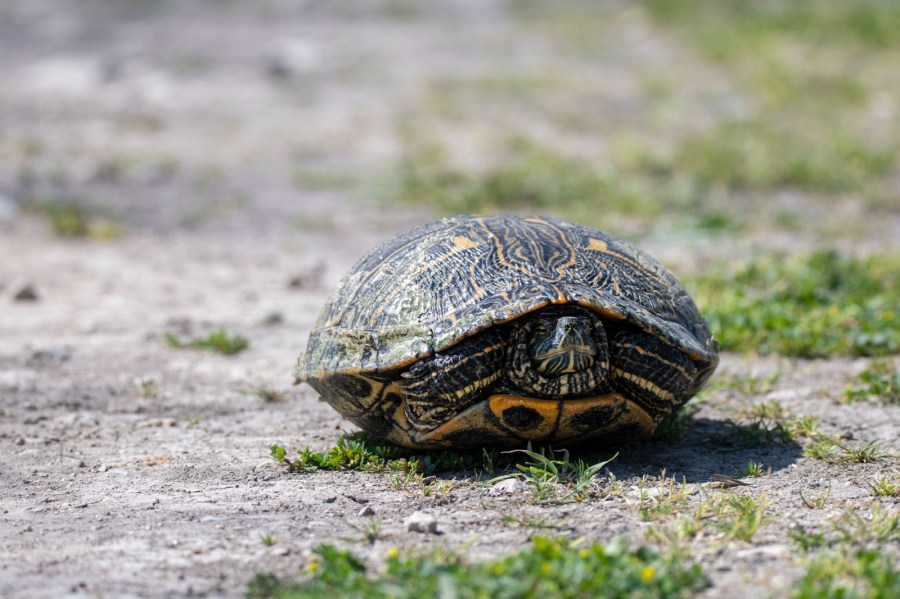
Image Attribution: Tracy Vu
If you're definitely up to the challenge of getting a box turtle, congratulations! These little reptiles can make wonderful, rewarding pets. Still, you should think long and hard before you decide to add one to your family; after all, you can be looking at 50 years or more with your turtle.
First, let's talk about the environment you should cultivate for your box turtle. While younger turtles will be alright indoors, ideally, you'd provide your box turtle with an outdoor setting as they age. You're going to need to be sure you're providing them with suitable lighting, as they need to bask to produce vitamin D. If your turtle is outdoors, the sun will provide that. If they're indoors, you should get an ultraviolet light.
These turtles are omnivores, which means that they consume both plants and animal tissue. Your box turtle would enjoy dark green leafy vegetables. This includes collard greens, parsley, dandelion greens, beet tops, kale, and spinach. They can also feast on sliced apples, blackberries, raspberries, and mulberries–in small quantities, that is.
When feeding your box turtle meat, you can use crickets, earthworms, mealworms, slugs, or even a little bit of low-fat dog food in the can. Your local pet shop also might have prepared meals for box turtles available; that's your best bet.
What Are Other Turtles That Make Good Pets?
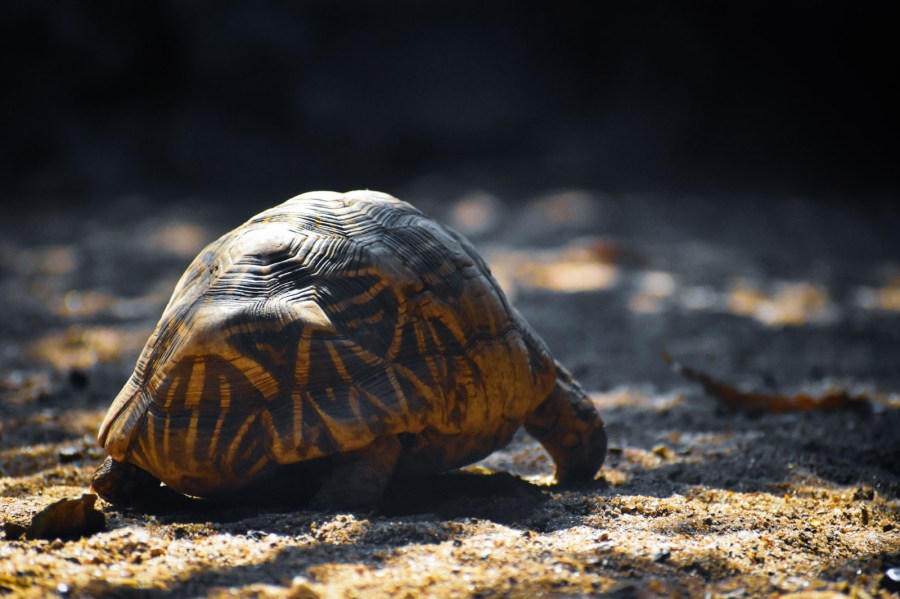
Image Attribution: Aman H.
If a box turtle seems like too much of a commitment for you, don't worry. It's better that you figured out you're more suited for a different type of turtle or pet before you brought a box turtle home.
There are many other types of turtles, so if you're set on getting one, you might consider checking out one of these species. They might be better suited for your lifestyle or the resources you're able to provide them.
The red-eared slider is a popular pet turtle. You can expect to have this little guy around for about 20 to 30 years. They're usually somewhere between six to eight inches (on average) and eat commercial turtle food, crickets, or leafy greens.
Red-eared sliders do require pretty large enclosures, and providing yours with that will help keep them happy and satisfied. For an adult, you should have at least a 40-gallon tank. The species is semi-aquatic, so you will need to provide your pet with a place to bask. You should also pay close attention to the water temperature and the lighting.
Another popular option is the painted turtle. These turtles are usually five to ten inches long, and they can live up to 50 years. A painted turtle is certainly a commitment, but you will find it worth it. Your painted turtle should have at least 20 gallons of water to swim in, but you can provide them with more. Like the other turtles we've discussed, they have their own particular set of requirements.
Your Next Pet?
There are plenty of reasons why box turtles are wonderful, but there is the same number of reasons why they're not suitable pets for everyone. If you're considering getting a box turtle, you should seriously consider the implications of your decision.
If you can't provide your turtle with the environment, diet, or other resources they need to thrive, you'll be better off with a different turtle or pet. Still, if you decide to get a box turtle, you'll find that they can be lovely, steadfast companions for decades to come.
SOURCES:
Find Out What You Should Know Before You Get a Box Turtle | The Spruce Pets
A Guide to Caring for Common Box Turtles as Pets | The Spruce Pets
Turtle Facts | Live Science
Best Beginner Pet Turtles and Tortoises | Pet Helpful
Source: https://www.reference.com/pets-animals/box-turtle?utm_content=params%3Ao%3D740005%26ad%3DdirN%26qo%3DserpIndex&ueid=a4016d24-88cd-44d1-9bc1-4e3567a7c636
0 Response to "What Kind of Meat to Feed Box Turtles"
Post a Comment